Country of regulation
 Trading fees class
 Time to open an account
 Deposit with bank card
 Depositing with electronic wallet
 Number of base currencies supported
 Demo account provided
 Products offered
How We Assessed Fees
Freetrade’s pricing was classified as low, average, or high by benchmarking its costs against those of all other brokers included in our review universe.
Before looking at the numbers, it helps to understand the two main categories of broker charges: trading fees and non-trading fees.
Trading fees apply when you place a trade and can include commissions, bid–ask spreads, financing or overnight costs, and currency conversion charges.
Non-trading fees are costs not directly linked to trading activity, such as withdrawal fees or inactivity charges.
In the sections below, we outline the most important costs for each asset class offered by Freetrade. For example, when investing in shares, commissions are typically the key fee to consider.
To provide context, Freetrade’s fees were also compared with those of two similar platforms: DEGIRO and Revolut. These peers were selected using objective criteria such as available products, target clients, and overall pricing models.
To get a clear picture of costs, let’s start with trading fees.
Freetrade trading fees
Freetrade stands out by offering commission-free trading on both stocks and ETFs.
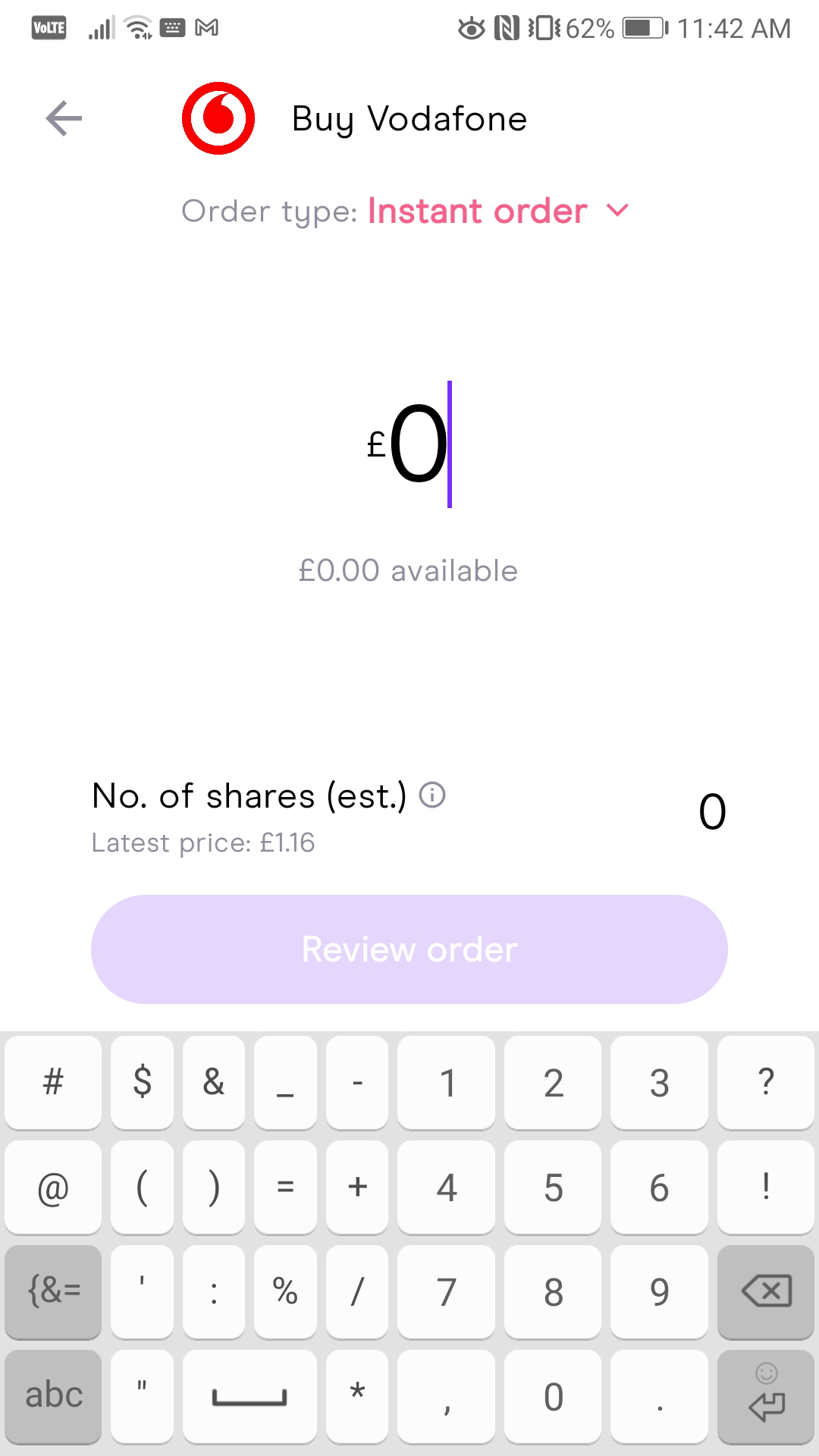
Initially, only basic orders were free of charge. However, in February 2020, Freetrade removed commissions on instant (market) orders as well. A basic order is executed at the 3:00 p.m. GMT price and can only be placed when the market is closed, while an instant order is executed immediately at the prevailing market price during trading hours.
As a result, investors can now buy and sell shares and ETFs at zero commission, regardless of whether they choose basic or instant execution.