


Top Asset Classes That Can Help Shield Your Portfolio from Inflation
For most investors, the primary objective is either to grow wealth or at least protect purchasing power over time. One of the most effective ways to manage risk is diversification — spreading investments across different asset classes rather than relying on a single one. This approach is widely recommended as a practical defense against inflation.
Below is an overview of financial assets that have historically shown resilience during periods of rising prices.

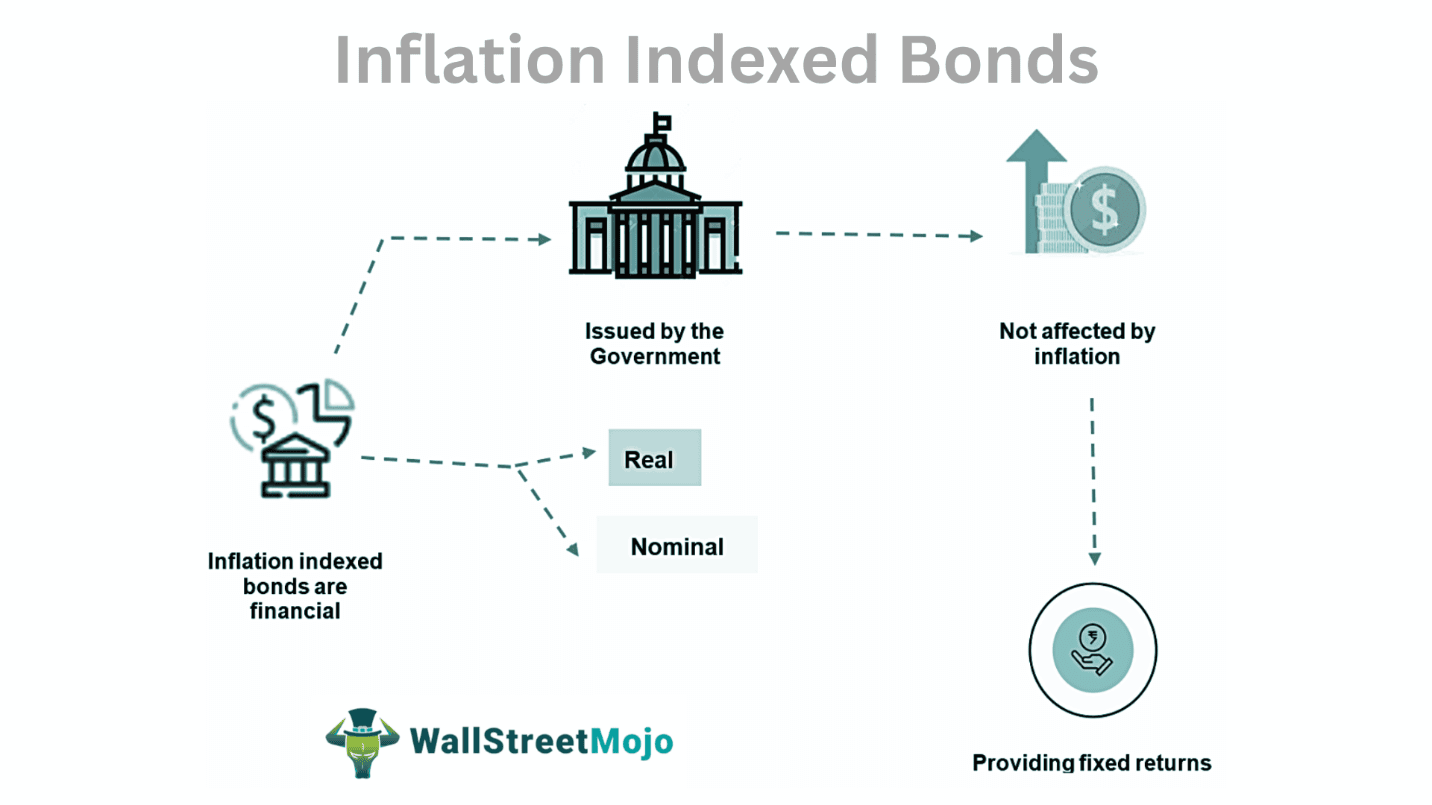

Inflation-linked bonds are specifically structured to offset the impact of rising prices. Typically issued by governments, these securities are indexed to inflation, meaning both the principal and interest payments adjust in line with changes in inflation rates.
In the United States, these instruments are known as Treasury Inflation-Protected Securities (TIPS). Their principal increases when inflation rises, and interest payments are calculated based on the adjusted principal amount.
Within the euro area, investors can access euro-denominated inflation-linked bonds issued by various sovereign governments.
Instead of buying individual bonds, investors may also gain exposure through bond funds or exchange-traded funds (ETFs) that hold diversified baskets of inflation-linked securities.


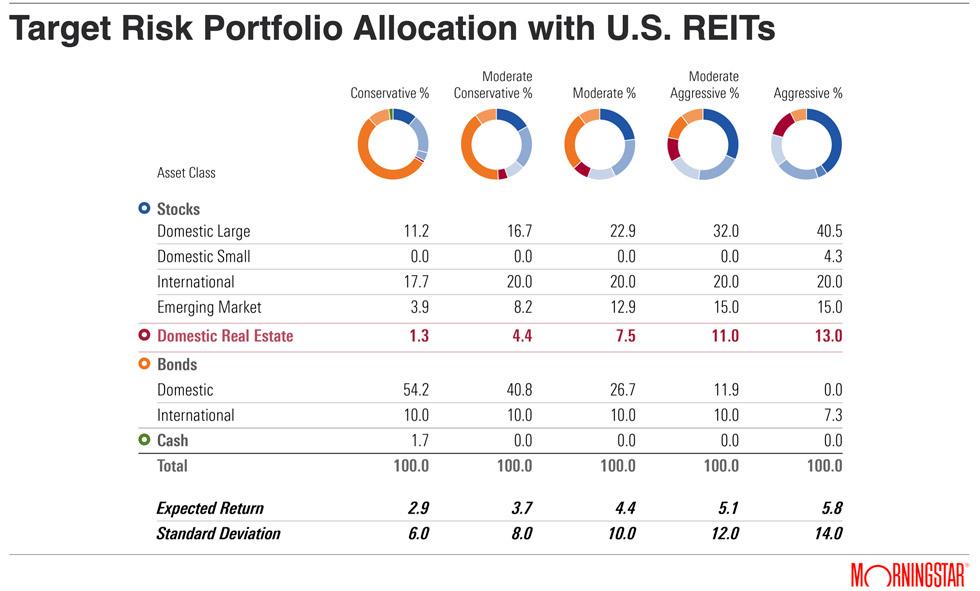
Property investments are often considered a reliable hedge against inflation because real estate values tend to appreciate over the long term. The key factor here is time horizon — the longer an investor holds property, the greater the probability of steady capital growth.
However, real estate markets are cyclical and subject to economic shifts. Property prices and rental demand can fluctuate, so risks remain.
Real estate can also generate recurring income through rent, which often adjusts upward in inflationary environments. For those who prefer not to purchase physical property, alternatives include:
Real Estate Investment Trust (REITs), which own and manage income-producing properties
Real estate-focused ETFs for broader diversification


Commodities often rise in value when inflation accelerates, making them a traditional inflation hedge. Raw materials such as oil, natural gas, precious metals, wheat, and corn typically benefit from rising price pressures.
Historically, the Bloomberg Commodities Index has demonstrated a strong relationship with inflation, reinforcing commodities’ defensive characteristics in diversified portfolios.
Although the global shift toward carbon neutrality may gradually influence commodity demand, this transformation is expected to unfold over time rather than abruptly.

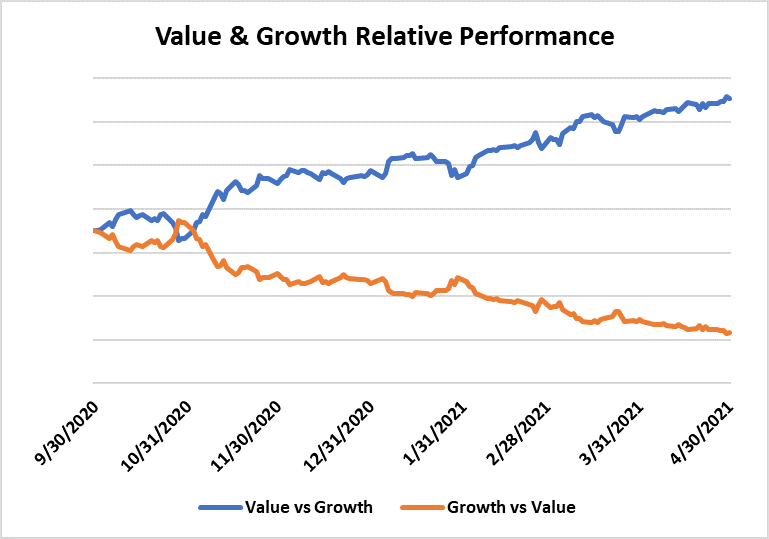

Equities have historically performed well during moderate inflationary periods, though performance varies across sectors and styles.
Research by BlackRock suggests that stock markets tend to remain resilient as long as inflation does not exceed extreme levels for extended periods. In moderately elevated inflation environments (around 5%–10%), value stocks have historically outperformed growth stocks.
Sectors that have shown relative strength during higher inflation include energy, healthcare, and financials.
Fidelity Investments has highlighted dividend-growing companies as particularly attractive in inflationary periods. Firms that consistently increase dividends often exhibit strong cash flow and pricing power, which can support performance when costs rise.
Investors may access stocks directly, through mutual funds, ETFs, or index funds. For example, the S&P 500 has historically delivered returns above inflation over long time horizons. Index funds offer built-in diversification, making them a popular long-term strategy.


Gold has long been regarded as a safe-haven asset during economic or geopolitical instability. While many investors view it as a hedge against inflation, opinions remain divided.
Gold rarely produces strong short-term gains and generally requires patience. For investors with shorter time horizons, it may not provide consistent inflation protection.
Long-term investors, however, may consider exposure through physical bullion or coins, as well as gold-focused mutual funds and ETFs.
Some research suggests that gold has preserved purchasing power effectively over very long periods — sometimes measured over a century — but over shorter time frames, its inflation-adjusted price can fluctuate as much as other asset classes.
There is no single perfect inflation shield. A balanced portfolio that blends bonds, equities, real assets, commodities, and potentially gold is often the most resilient approach. Diversification, long-term discipline, and understanding each asset’s risk profile remain the foundation of protecting wealth in inflationary environments.

